• Take 30 seconds to register your free account to access deals, post topics, and view exclusive content!

    Register Today

    Join the largest Oakley Forum on the web!

🦘Cacatman's Personal Coronavirus COVID-19 Update Thread

COVID-19 neutralizing antibodies predict disease severity and survival


Severe COVID-19 associates with higher antibody production and neutralization titers

Neutralization potency of anti-RBD antibodies predicts disease severity and survival

Immunomodulatory COVID-19-directed therapies modulate antibody responses

COVID-19 sera neutralize D614 and G614 variants, but not pre-emergent WIV1-CoV

 
Risk Factors - Patients with Cirrhosis at Higher Risk
Patients with cirrhosis were less likely to test positive for SARS-CoV-2 than patients without cirrhosis (8.5% vs. 11.5%; adjusted odds ratio, 0.83 [95% CI, 0.69 to 0.99]). However, rates of 30-day mortality were increased in patients with cirrhosis: 2.3% for those with neither condition, 5.2% for those with only cirrhosis, 10.6% for those with only SARS-CoV-2, and 17.1% for those with both. The same pattern was true for risk of mechanical ventilation, with rates of 1.6%, 3.6%, 6.5%, and 13.0%, respectively. The researchers calculated that among patients with cirrhosis, testing positive for SARS-CoV-2 was associated with adjusted hazard ratios (aHRs) of 4.12 (95% CI, 2.79 to 6.10) for mechanical ventilation and 3.54 (95% CI, 2.55 to 4.90) for 30-day mortality. Among the patients testing positive for SARS-CoV-2, cirrhosis was associated with significantly increased risk of hospitalization (aHR, 1.37; 95% CI, 1.12 to 1.66), ventilation (aHR, 1.61; 95% CI, 1.05 to 2.46), and death (aHR, 1.65; 95% CI, 1.18 to 2.30). The most significant predictors of mortality in patients with both conditions were advanced age, cirrhosis decompensation, and high Model for End-Stage Liver Disease score.
 
Risk Factors - Age is the highest risk factor
80% of deaths are in those > 65 yo.

Young people are still dying in record numbers though....
The COVID-19 pandemic was associated with increases in all-cause mortality among US adults aged 25 to 44 years from March through July of 2020. In 3 HHS regions, COVID-19 deaths were similar to or exceeded unintentional opioid overdoses that occurred during several corresponding months of 2018.

Only 38% of all-cause excess deaths in adults aged 25 to 44 years recorded during the pandemic were attributed directly to COVID-19. Although the remaining excess deaths are unexplained, inadequate testing in this otherwise healthy demographic likely contributed. These results suggest that COVID-19–related mortality may have been underdetected in this population.
 
Vitamin D
Is a hormone and can enter the cell membrane and into the nucleus. It can change the way the cell behaves.

Not just involved in Calcium regulation. Fat soluble vitamin => enters nucleus! Can prevent transcription of RNA.

2 ways to get Vitamin D:-
1. Eat it! Fish oil, mushrooms, egg yolks, red meat
2. From the sun - UVB penetrates the dermis which converts 7-dehydrocholesterol into Previtamin D3 -> liver where the 25 hydroxyl is add to the molecule.

25 hydroxyl vit d is fat soluble and stored in the fat. When this is needed, it is converted by the immune system to the active form 1,25 (OH)2 D OR it can be converted to the active form in the kidneys. It is used for metabolism of calcium

Major cause of Vitamin D deficiency is inadequate exposure to sunlight (or living above/below the 35th parallel).
Inverse association of serum vit D and BMI

Patients with kidney disease (nephrotic syndrome) lose vit D3

For more than a century, vit D has been suggested to increase the susceptibility to infection.

Increased RTIs in children with rickets.

Vit D may stimulate the immune system e.g. monocytes/neutrophils.

Deficient - <30 ng/ml = < 75 nmol/L
Optimal 51-70/126-175
Too high >100/>250

As you get older, you are less able to produce vit d via the skin (2 fold decrease).

White skin produces more vit d per same exposure than dark skin

Because vit D is stored in fat, then being fat effectively decreases free vit d3

10,000 German patients. 50-75 yo 15 year followup
> 50 ng/ml - better respiratory mortality survival

Meta analysis
Vit D supplementation prevented respiratory infections
25 Randomised control trials

COVID 19

17 million patients with 10,926 covid deaths
Higher in age are more likely to die
Male higher risk
Obesity is a risk
Darker skin races increases risk
Current smokers have lower risk. Thought to be because nicotine is anti-inflammatory agent. Also, nitric oxide is a vasodilator.

Looking at countries/populations. Moving away from the equator, populations increase covid mortality.

7,807 patients
Majority of patients had <30 with positive COVID-19

Vit D levels <75 nmol/L had a 1.45 chance of getting infection, and 2 times more likely to be hospitalised

52,000 matched people
Increased COVID infection rates in men and women related to low vit d levels

200,000 patients
Vit D levels inversely related to being positive with levels ie >50 ng/ml

Therefore, there is an ASSOCIATION with low Vit D3 and COVID morbidity and mortality

study of 240 patients with 200,000iu on admission to hospital (did increase vit d rates)
Increasing vit d on admission to hospital didn't change clinical outcome including mortality or ventilator days. But regular doses work better overall.

Shade study - 40 covid positive patients -> gave 60,000 iu for 7 days
Checked and found that
62.5% vs 20.8% were COVID -ive by day 21
Fibrinogen was significantly decreased in vit d group

One study showed 21% fatality rate in low vit d patients vs 3.1% fatality rate in normal vit d levels.

Recommendations are
0-6 months 1000 iu
6m - 1 yr 1500 Iu/d
1 yr - 3 year - 2500 iu/d
4-8 y - 3000 iu/day
8+ 4000 iu/day is upper limit for supplementation for vit d

Vit D toxicity
- very rare. 150 ng/ml = 375 nmol/L to be toxic

One of the least toxic fat toxic vitamins

20,000 samples of vit d, only 1 had 364 ng/ml (910 nmol/l) was diagnosed with hypercalcaemia

Another study reported healthy adults receiving 50,000 iu vit d2 every 2 weeks for 6 years had concentrations of 40-60 ng/ml (100-150 nmol/l) with no evidence of vit d toxicity.

Canadians took 20,000 iu of vit d3 per day and had increases up to 60 ng/ml (150 nmol/l) but without any evidence of toxicity.

Body weight and how it affects vit d.
17,614 patients
Supplementation per 1000 iu increases it to plateau ie. by about 4.8 ng/ml. but by 15,000-20,000, only raised it by 0.4 ng/ml. ie. non linear relationship

normal bmi <25
overweight 26-30 3ng/ml lower usually - should take 1.5 XS amount as much vit d
obesity 30+ are 8 ng/ml lower usually - should take 3.0X amount of vit d

should try to get above 50 nmol/l.

Sarcoid or renal patients/other granulomatous diseases should exercise care.

Thanks for this info. Very informative
 
More Deadly Than Seasonal Flu
The death rate among COVID-19 patients was 18.5%, while it was 5.3% for those with the flu. Those with COVID were nearly five times more likely to die than flu patients, according to the study published online Dec. 15 in the BMJ.

COVID-19 patients with the highest risk of death - >75 yo, chronic kidney disease or dementia, Blacks with obesity, diabetes or kidney disease.

The study also found that COVID-19 patients were four times more likely to require breathing machines, nearly 2.5 times more likely to be admitted to intensive care, and stayed in the hospital an average of three days longer than flu patients.
 
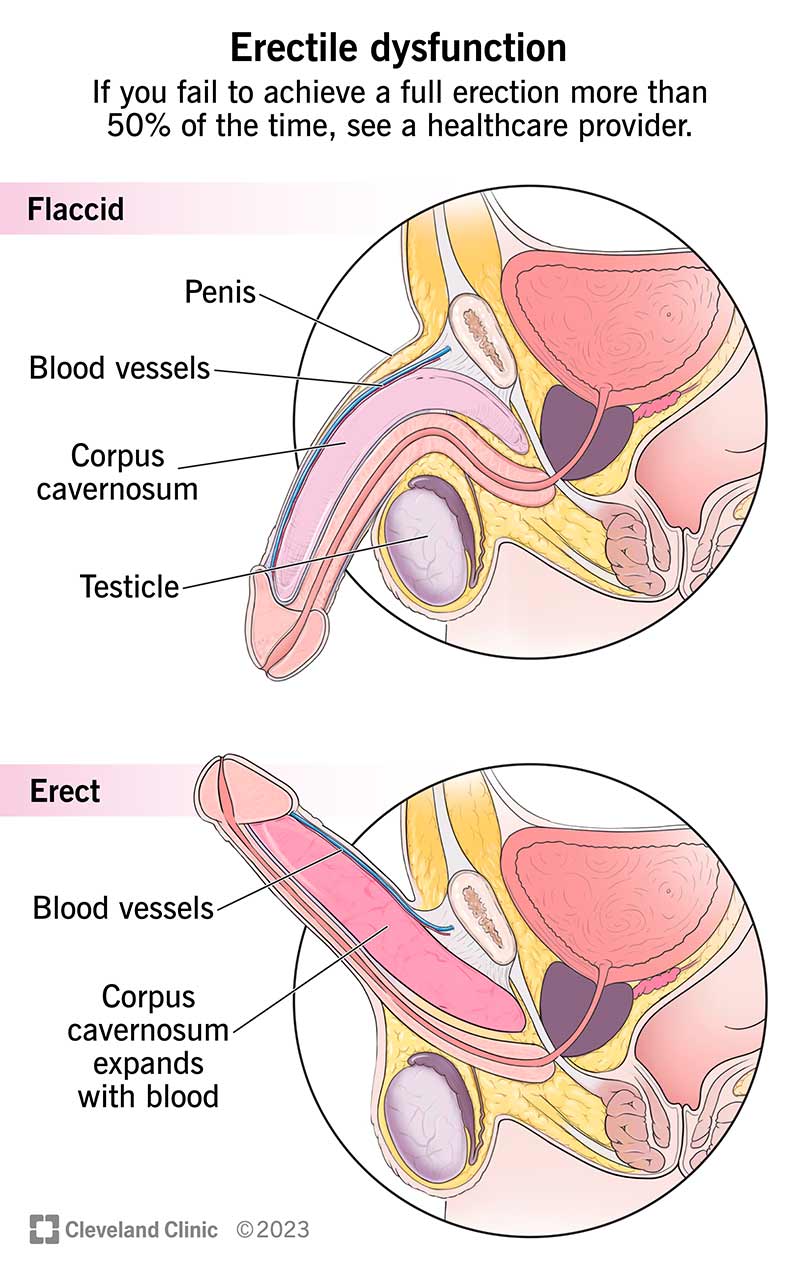
Consequences - Possible link to Erectile Dysfunction
“There have been studies showing that perhaps there are cardiovascular effects and other medical effects appearing from COVID-19, but the answer is that it’s just too early to tell what exactly all of the long-term effects are,” says Dr. Berglund. “We know there are a number of different ways that the virus could cause erectile dysfunction, but much more research is needed before we know for sure.”

 
Side Effects of Vaccines
Side effects last 24-48 hours
Most common side effect is soreness, fatigue, headache, muscle aches, chills, joint pain and possibly fever
Side effects more common after 2nd dose
similar side effects amongst the vaccines
Less pronounced side effects in adults > 55 yo
You can still get COVID in between vaccinations

Side effects
 

Latest Posts

Back
Top