• Take 30 seconds to register your free account to access deals, post topics, and view exclusive content!

    Register Today

    Join the largest Oakley Forum on the web!

Prizm Tungsten vs Prizm Tungsten Polarized

winterwalker

Oakley Beginner
2
3
Hi all, I got into Oakley relatively recently (2023) and really fell in love with Prizm Tungsten Polarized lenses. I have a pair of Holbrooks and a pair of Gibstons with Prizm Tungsten Polarized lenses.

More recently I bought a pair of Contrail TIs and Latch Betas, both with Prizm Tungsten lenses (non-polarized). They're nice, but they don't really compare to the polarized version of the lenses - they're not as dark and they don't make colors pop in the same way. There's a guide here on the forum that suggests the polarized and non-polarized versions of the lens are essentially the same (darkness included), except for glare protection; but that's from a few years back.

Does anyone know if it's normal for the non-polarized version of the lenses to be lighter and provide less color enhancement? Have the lenses been changed since I bought the Holbrooks and Gibstons in 2023? Did the wrong lenses possibly get shipped in my glasses?

Any insight would be appreciated.

Thanks!
 
Hi all, I got into Oakley relatively recently (2023) and really fell in love with Prizm Tungsten Polarized lenses. I have a pair of Holbrooks and a pair of Gibstons with Prizm Tungsten Polarized lenses.

More recently I bought a pair of Contrail TIs and Latch Betas, both with Prizm Tungsten lenses (non-polarized). They're nice, but they don't really compare to the polarized version of the lenses - they're not as dark and they don't make colors pop in the same way. There's a guide here on the forum that suggests the polarized and non-polarized versions of the lens are essentially the same (darkness included), except for glare protection; but that's from a few years back.

Does anyone know if it's normal for the non-polarized version of the lenses to be lighter and provide less color enhancement? Have the lenses been changed since I bought the Holbrooks and Gibstons in 2023? Did the wrong lenses possibly get shipped in my glasses?

Any insight would be appreciated.

Thanks!

Prior to Prizm, polarized lenses were always listed with slightly lower light transmission levels than their non polarized counterparts. Anywhere from 1% to 5%.

With Prizm, they advertise the same LTL regardless of polarization. I'm not sure if I buy that but it could simply be that polarization gives the impression of a darker lens. That could also give the impression of more vivid colors being the light is not scattered through the lens.

Either way, I included a LTL chart for referance.

prizm-lens-guide-1.jpg
 
Prior to Prizm, polarized lenses were always listed with slightly lower light transmission levels than their non polarized counterparts. Anywhere from 1% to 5%.

With Prizm, they advertise the same LTL regardless of polarization. I'm not sure if I buy that but it could simply be that polarization gives the impression of a darker lens. That could also give the impression of more vivid colors being the light is not scattered through the lens.

Either way, I included a LTL chart for referance.

View attachment 1228394
Thank you for the info and the LTL chart!

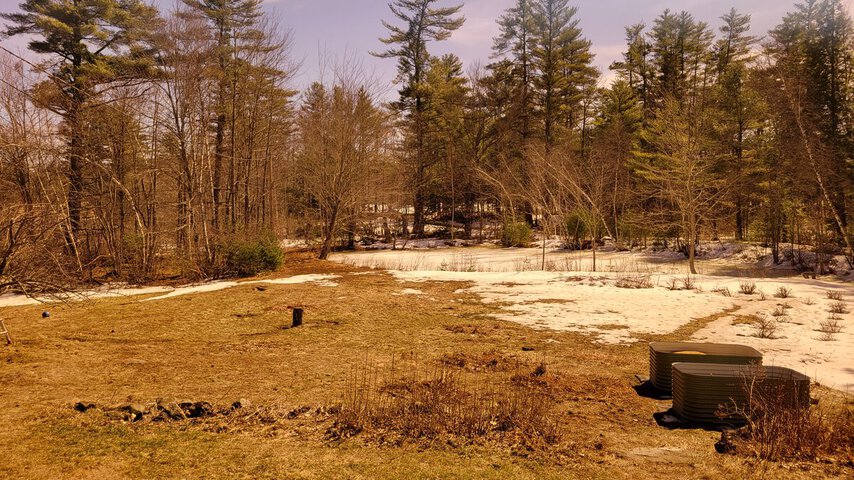
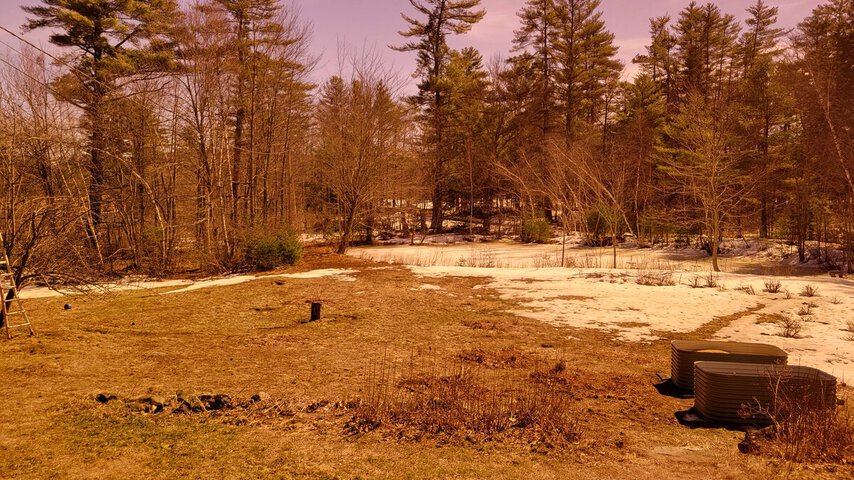
I think it's more than an impression. The color and tone seems different to me. I've taken some photos through the lenses by way of example.

This is camera alone.
20250322_123711.jpg

This is non-polarized
20250322_123717.jpg

This is polarized
20250322_123731.jpg

Is it just my eyes, or does the polarized look like a different color/tint?
 
More than Polarized vs Non-polarized, this looks like a difference of tint across different batches of production. The tints usually vary a bit across various batches and so we often end up with some better-than-usual or worse-than-usual tints.

In your case, the polarized ones seem to have a deeper red tinting. However, if the camera outputs are accurate, the colors that are portrayed for the non-polarized lens are what's expected from Tungsten.
 
I love the comparison pictures, i have the same question, wish there was a chart were all the lens types were displayed like that!
 
More than Polarized vs Non-polarized, this looks like a difference of tint across different batches of production. The tints usually vary a bit across various batches and so we often end up with some better-than-usual or worse-than-usual tints.

In your case, the polarized ones seem to have a deeper red tinting. However, if the camera outputs are accurate, the colors that are portrayed for the non-polarized lens are what's expected from Tungsten.
This is interesting to read. I've got 3 pairs of prizm violet lens and my first pair really pops with colour while the other two are a bit duller. It's frustrating as I bought the additional two pairs based on the first.
 
This is interesting to read. I've got 3 pairs of prizm violet lens and my first pair really pops with colour while the other two are a bit duller. It's frustrating as I bought the additional two pairs based on the first.
Which makes me think - are the first pair that 'pop' an outlier and the 2 darker prizm violet lens are the norm?
 
Which makes me think - are the first pair that 'pop' an outlier and the 2 darker prizm violet lens are the norm?
I don't think there's a defined 'norm' for a specific tint and/or level of contrast because that's entirely subjective and a matter of personal preferences. Sometimes you just get lucky with a certain pair where the colors are tuned more favorably. But again, that's a personal preference.

Quoting Prizm Black as an example. I like a warmer tint and a bit of red in my lenses. My wife prefers a cooler tint bordering on purple. I have a pal who loves a more neutral tint that's in-between the two. Interestingly, I have all three tints of Prizm Black and I feel the neutral variant is the least appealing. So yeah, you can never be 100% certain on the shade, unless you try for yourself.
 
I don't think there's a defined 'norm' for a specific tint and/or level of contrast because that's entirely subjective and a matter of personal preferences. Sometimes you just get lucky with a certain pair where the colors are tuned more favorably. But again, that's a personal preference.

Quoting Prizm Black as an example. I like a warmer tint and a bit of red in my lenses. My wife prefers a cooler tint bordering on purple. I have a pal who loves a more neutral tint that's in-between the two. Interestingly, I have all three tints of Prizm Black and I feel the neutral variant is the least appealing. So yeah, you can never be 100% certain on the shade, unless you try for yourself.
Thanks again, I wasn't aware of the different tints on the same lens type (eg prizm black that you mention) if I'm understanding correctly? I thought prizm black was the tint? Sorry if I'm confusing things, appreciate your feedback.
 
Thanks again, I wasn't aware of the different tints on the same lens type (eg prizm black that you mention) if I'm understanding correctly? I thought prizm black was the tint? Sorry if I'm confusing things, appreciate your feedback.
What you see on the label is the name of the tint (Prizm Black for example). However, not all Prizm Black lenses are produced equal. Sometimes a bit of extra dye (or a bit less of the dye) during the production process can result in variations of tint within the same lens. Apart from the amount of dye, there are also other factors that can affect the tint of a lens (curvature, thickness etc). These variations are usually in the 2%-3% range and are generally not perceptible to the average customer, especially when seen in isolation. That may even be under the permitted scope of variance for Luxottica / Oakley.

However, when compared to another pair, even a 1% variation in tint becomes discernible. That’s when you’d observe one pair has a ‘better’ tint than another.
 

Latest Posts

Back
Top